Effect Of Shading On Solar Panels
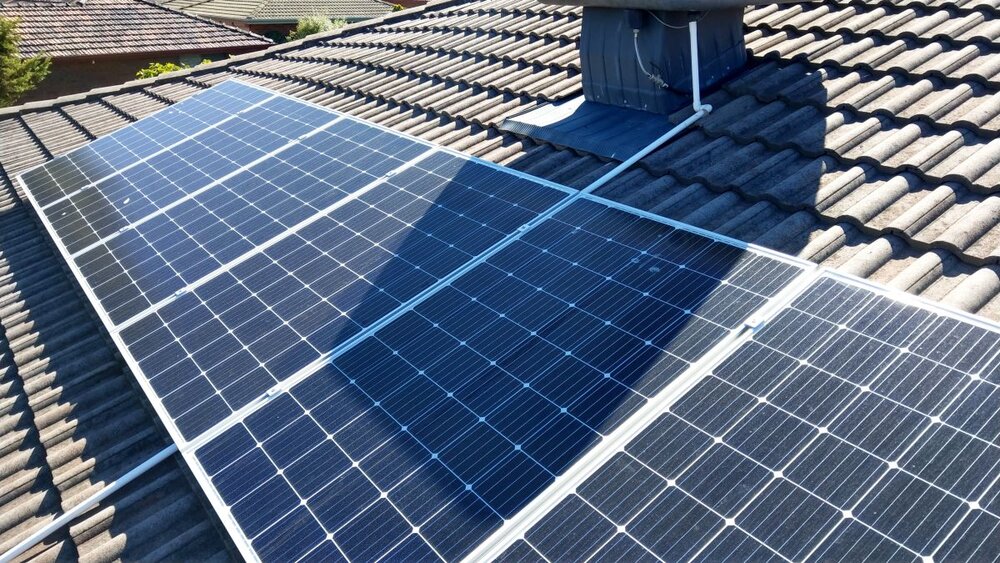
Solar panels are often assumed to lose power in direct proportion to how much shade covers them, but the reality is far less forgiving. Because a panel’s cells are wired together in series, current can only flow as fast as the weakest cell allows, so shading even 10% of a panel can slash its output by 50% or more, since the shaded cells throttle the entire string rather than just their own small area.
Shading also creates a physical risk to the panel itself. A shaded cell that isn’t generating power but is still forced to carry current can heat up and form a “hotspot,” degrading the cell and shortening the panel’s lifespan. Bypass diodes help prevent this by rerouting current around the shaded section, but activating a diode typically takes a full third of the panel offline. At the system level, one shaded panel in a series string can also drag down the performance of every other panel connected to it, a problem known as mismatch loss.
The good news is that shading losses are largely preventable. A proper site assessment that tracks the sun’s path across all seasons (not just one day), smart system design using power optimizers or microinverters, regular cleaning in dusty environments, and thoughtful panel spacing can all significantly reduce shading’s impact turning a common efficiency killer into a manageable part of solar planning.